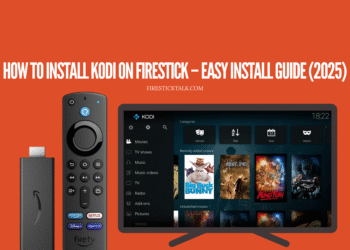
How to Install Kodi on Firestick – Easy Install Guide (2025)
Introduction: Unlock Your Firestick's Full Potential with Kodi Your Amazon Firestick is a fantastic device for accessing popular streaming platforms,...


Introduction: Unlock Your Firestick's Full Potential with Kodi Your Amazon Firestick is a fantastic device for accessing popular streaming platforms,...
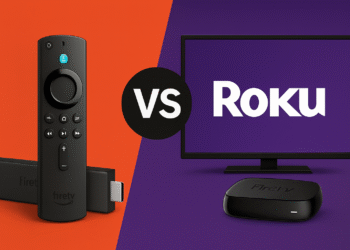
Introduction: If you’re choosing between an Amazon Fire TV Stick and a Roku TV for streaming, understanding their differences matters — especially for installing apps and watching IPTV. Roku’s closed platform generally does not allow third‑party app installs, while Amazon’s Fire TV Stick (Firestick) traditionally offers more openness and sideloading options. Below we compare Firestick vs Roku Tv across operating system, app availability, IPTV support, price, and ease of use, plus a short note on legality: using IPTV or third‑party apps can raise copyright and security issues, so prefer licensed services and trusted sources. This guide will help you decide which device best fits your needs and HDMI setup. Quick Comparison of Firestick vs Roku Operating System: Firestick runs on Fire OS (Android) — an open platform that generally lets you install apps from outside the Amazon Appstore — whereas Roku’s OS is closed, supporting only apps from the official Channel Store. This OS difference is the main factor driving flexibility Fire TV devices behave more like an Android streaming stick, while Roku prioritizes a tightly controlled, consistent interface. App Installation (Sideloading): Amazon Fire TV Sticks support sideloading of apps — you can add APKs (for example, Kodi or TiviMate) via tools like Downloader or the Amazon Appstore. Roku devices do not offer a practical way for average users to install third‑party apps; Roku removed private (non‑certified) channels in 2022 and limits installs to its Channel Store. If you need true third‑party apps, Firestick is the simpler option. IPTV & Free Streaming: Because of sideloading, Firestick is typically better for IPTV and free streaming. Users can install IPTV players and streaming APKs to watch live TV, sports, and more (examples: IPTV Smarters, Smart IPTV). On Roku, custom IPTV apps are blocked, so many cord‑cutters report that a Firestick or Android box is recommended if you rely on third‑party streaming sources. Price & Value: Both Roku and Fire TV products are affordable (entry models often start around $30 for HD sticks; 4K models around $50 — prices vary by sale and region). Firesticks often provide strong value because their openness can let you access more free or low‑cost content without extra subscriptions. Roku’s upfront cost is similar, but its closed ecosystem may mean paying for more services long term if you don’t use side‑loaded apps. User Experience: Roku’s interface is simple and easy to use — good for non‑technical users — and Roku curates content aggressively. Fire TV’s interface is more feature‑rich with Alexa voice control, personalized suggestions, and deeper settings; however, it can promote Amazon content on the home screen. Both platforms show some ads; users often note Roku’s home‑screen promotions are more prominent, while Firestick (being Android‑based) gives enthusiasts ways to customize the interface or reduce ads with alternate launchers. Importantly, Firestick supports VPN apps natively for privacy on the device itself, while Roku cannot run VPN apps directly (you can only protect Roku traffic via a router‑level VPN or a shared connection). Operating System & App Installation: Open vs....

Discover what is a Firestick, why it matters, and how it revolutionizes streaming for cord cutters and tech enthusiasts with...
Delve into the world of IPTV providers. This guide explains IPTV providers clearly and comprehensively, covering key concepts and their...

Discover 8 essential types of streaming apps to enhance your viewing experience and make the most of your streaming setup.

Discover the 7 best IPTV software options to enhance your streaming experience on Firestick. Get practical tips for cord-cutting.
Explore what is IPTV panel, its significance, and how it works in the world of streaming and IPTV technology. Get...
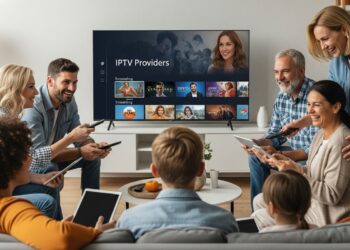
Discover what are IPTV providers, their importance in streaming, and how they enhance your viewing experience with privacy and flexibility.
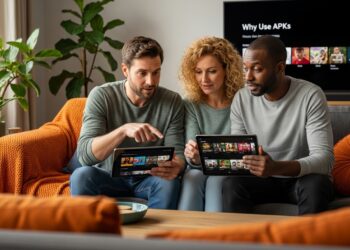
Explore why use apks for streaming and learn about their advantages, functionality, and impact on modern viewing experiences.

Follow this firestick streaming guide for a step-by-step process to set up and optimize your streaming experience.